The SemaCyte® Microcarrier Platform
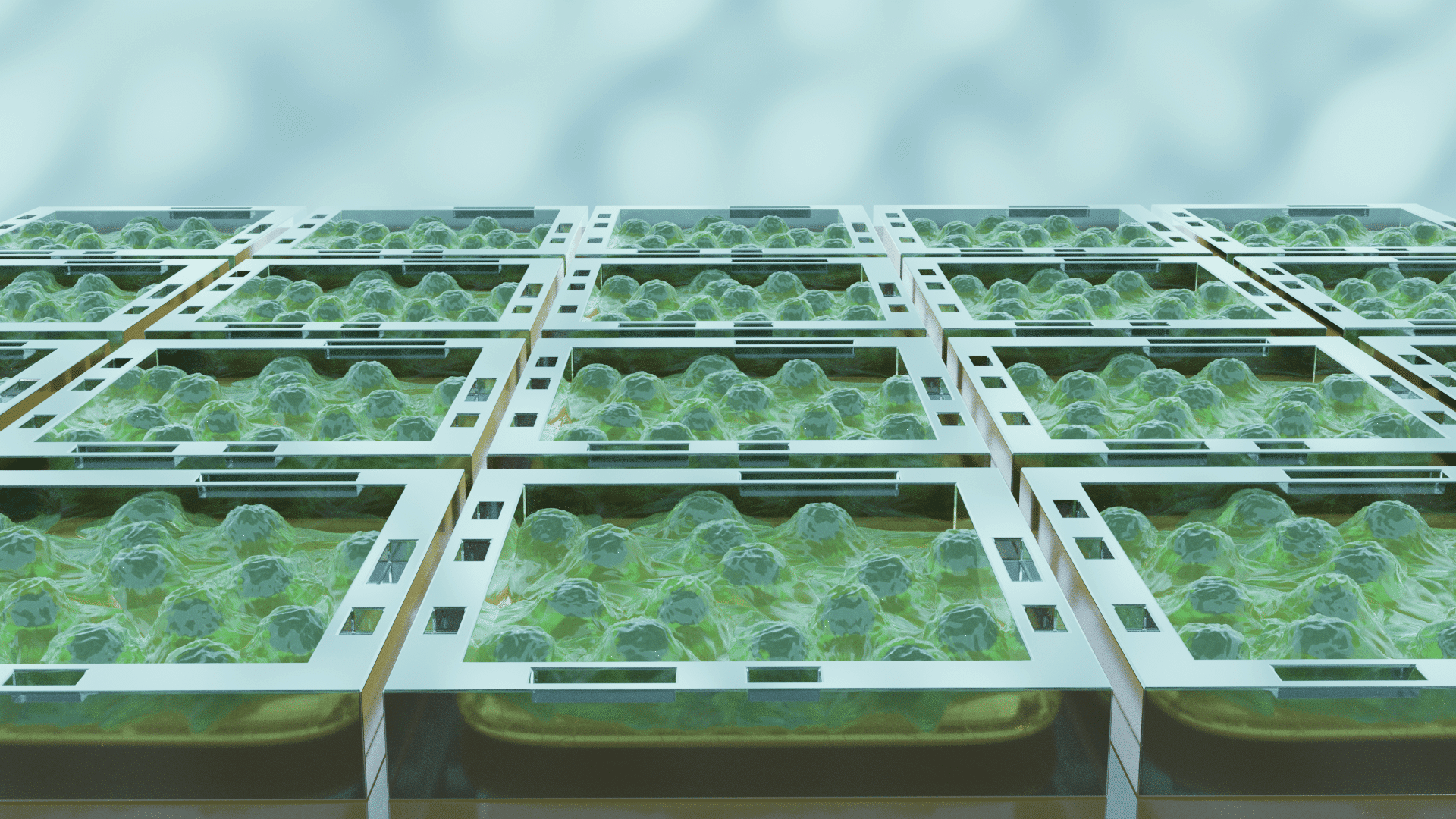
SemaCyte® microcarriers are ultra-miniaturised, optically barcoded micro-wells that turn adherent cells into automation-ready reagents. Cells are prepared in batches, optionally cryopreserved, then pooled and dispensed into standard microplates for imaging or plate reader assays. Brightfield visible barcodes enable dye free identification and software driven deconvolution, generating clean, cell type resolved datasets from multiplexed wells.
Millions of unique identifiers can be encoded in the microcarrier walls. After assay and imaging, Semarion’s software or built in tools from microscopy providers decode each microcarrier and split images by barcode for downstream analysis in standard pipelines.
Turning Adherent Cells into Barcoded, Assay-Ready Reagents

Multiplex Cell Models to Screen Faster
Pool multiple engineered, primary, or patient derived cell models in the same well and deconvolute by optical barcode. Run cell panels side by side to increase throughput while reducing plates, reagents, and imaging time.
Throughput: multiplex up to 10 models in 384 well plates.

Freeze Batches of Assay Ready Adherent Cells
Decouple cell culture from assays by banking adhered, transfected, or matured cells in cryovials. Thaw and deploy on demand, improving scheduling flexibility and reducing biological variability across studies and sites.
Flexibility: assay ready about 1 hour after thawing.

Ultra-Miniaturise Assays Without Losing Morphology
Use far fewer cells per condition while retaining high local confluency and adherent phenotype. This is ideal for scarce cells and high content workflows that need more conditions per plate and more data per experiment.
Efficiency: orders of magnitude fewer cells per assay.
Precision-Engineered Microcarriers for Automated Cell Assays
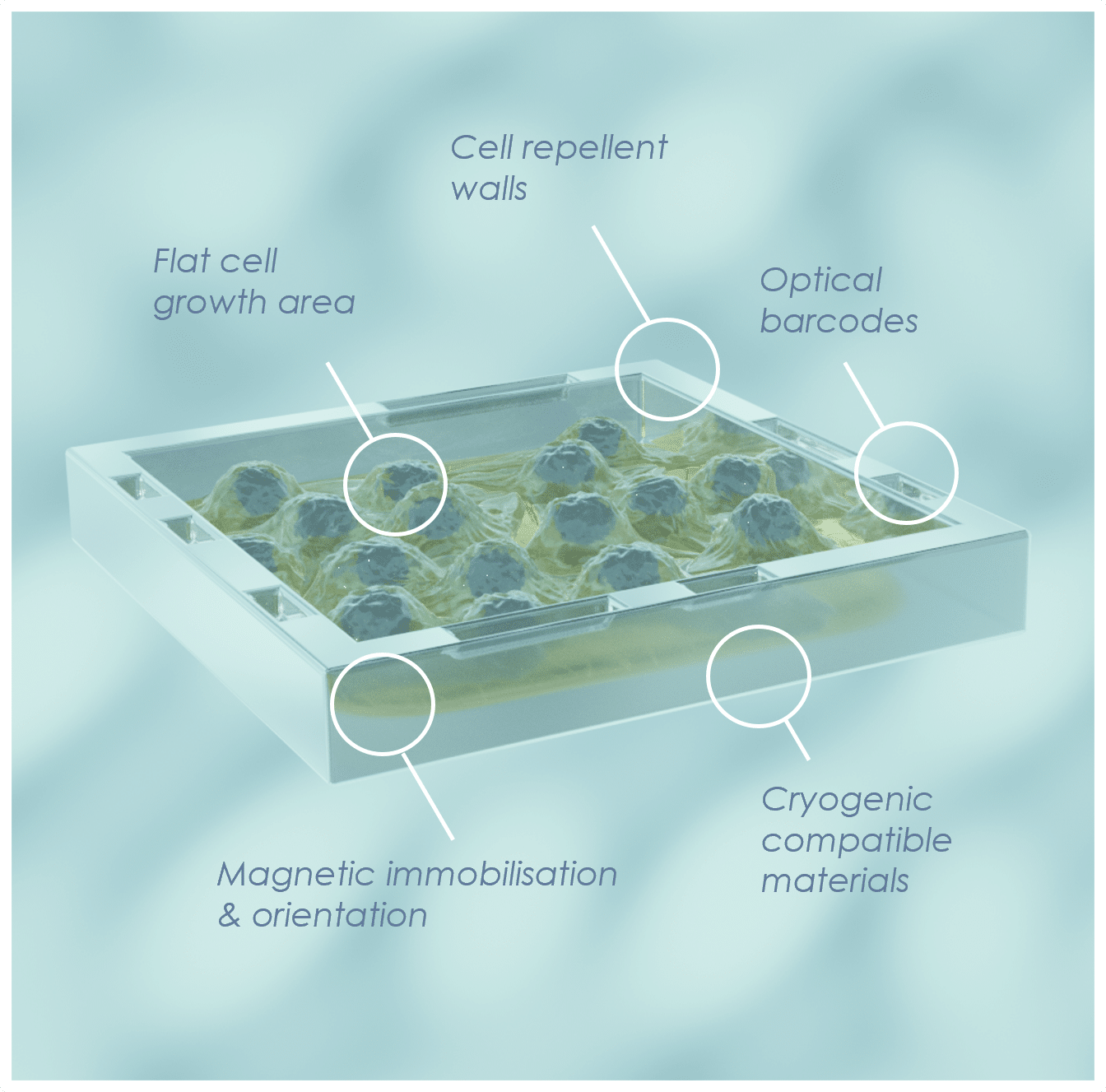
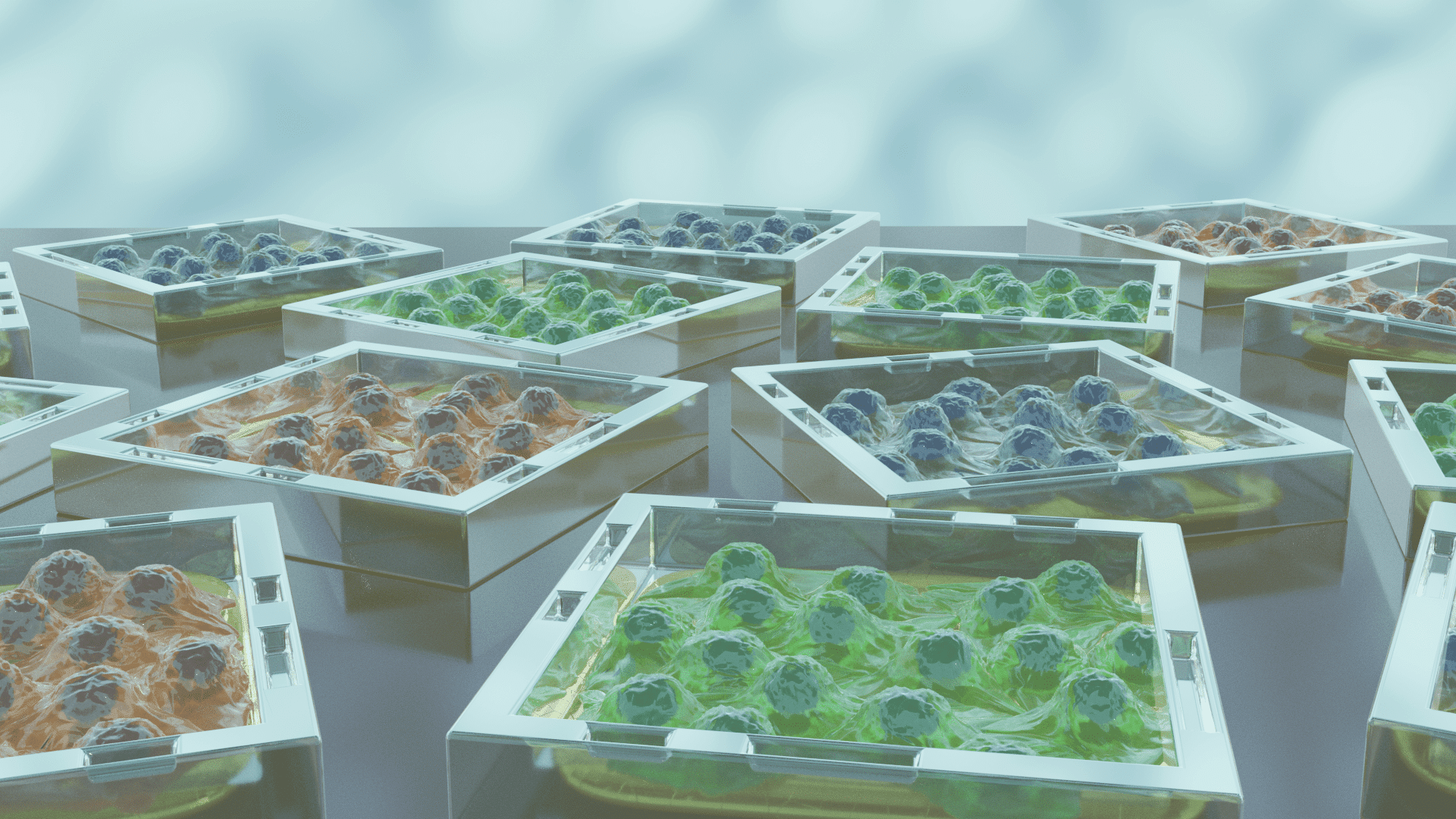
SemaCyte® microcarriers are microchip-fabricated using advanced materials and surface engineering, giving tight control over shape, properties, and barcode features. Each microcarrier provides a square 100 × 100 µm² flat growth area that supports consistent 2D cell morphology, surrounded by cell-repellent walls which includes QR-code-like optical barcodes. The platform is built from functional layers: an engineered cell-growth surface, microfabricated polymer structure, and smart release materials. The embedded magnetic materials enable clean purification and consistent positioning when needed, without unwanted aggregation during handling.
Designed to plug into standard microplate automation: SemaCytes are designed to slot into microplate workflows and work with standard lab automation, helping teams generate better data faster from existing tools and equipment.
Ease of use: Seed cells onto SemaCyte® arrays using standard culture practice, then release microcarriers by agitation for purification, aliquoting, and optional cryostorage. When ready to run assays, pool barcoded populations and dispense directly into microplates using common liquid handling tools.
Broad compatibility: SemaCytes are compatible with standard reagents and assay types, and integrate with existing imaging platforms, analytics tools, and automation. Barcode deconvolution can be performed in Semalyse or using tools from microscopy providers, enabling downstream processing in workflows such as Harmony or CellProfiler.
Seed distinct cell models on uniquely barcoded SemaCytes: Each cell type is seeded on SemaCyte arrays where the QR-code like optical barcode is embedded at the edge of the growth area and visible in brightfield.
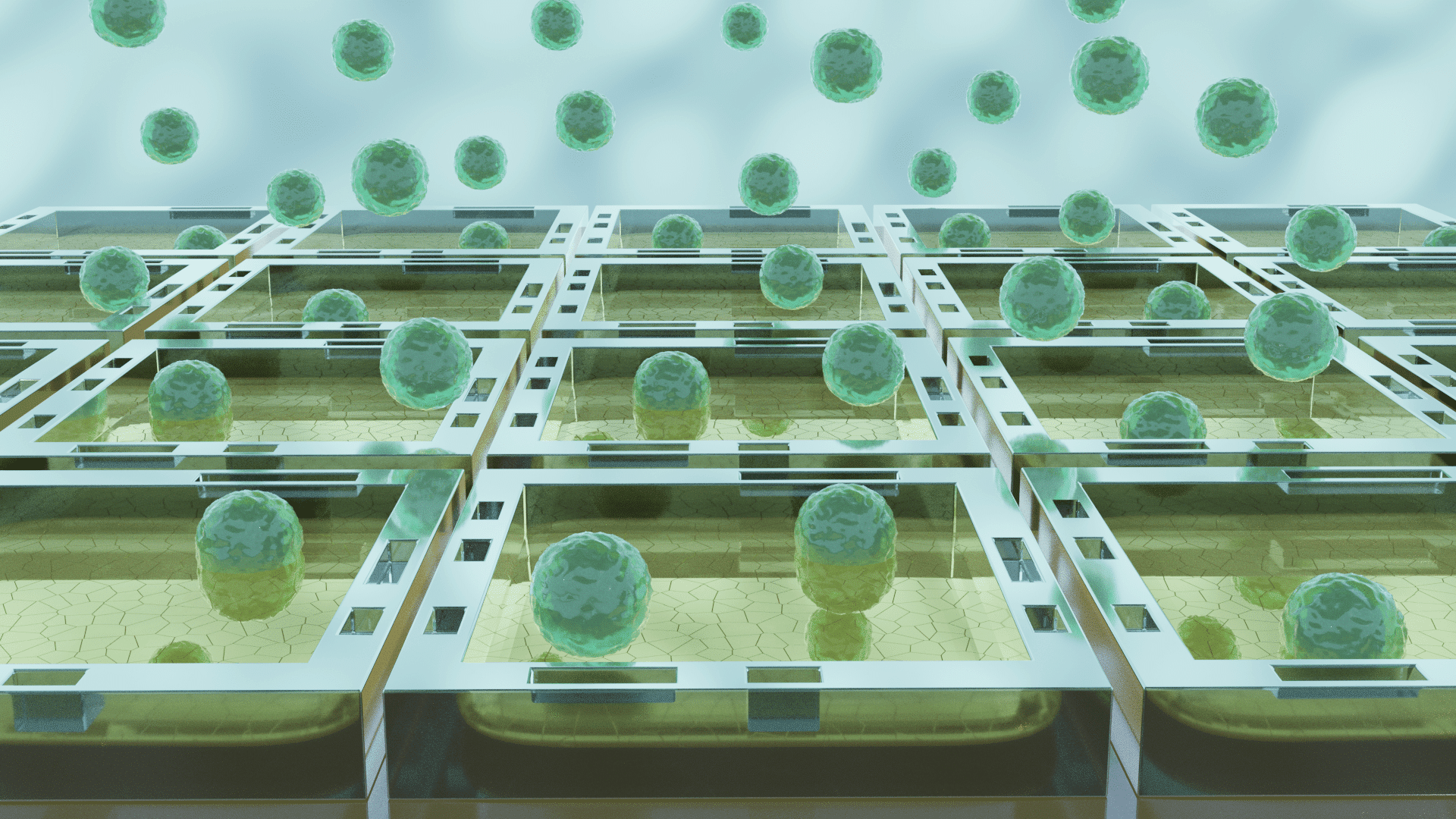

Batch prepare and optionally cryopreserve: Once cells reach the desired morphology, microcarriers are released, purified, and aliquoted. Barcoded cells can be frozen as assay ready vials for flexible, on demand use.
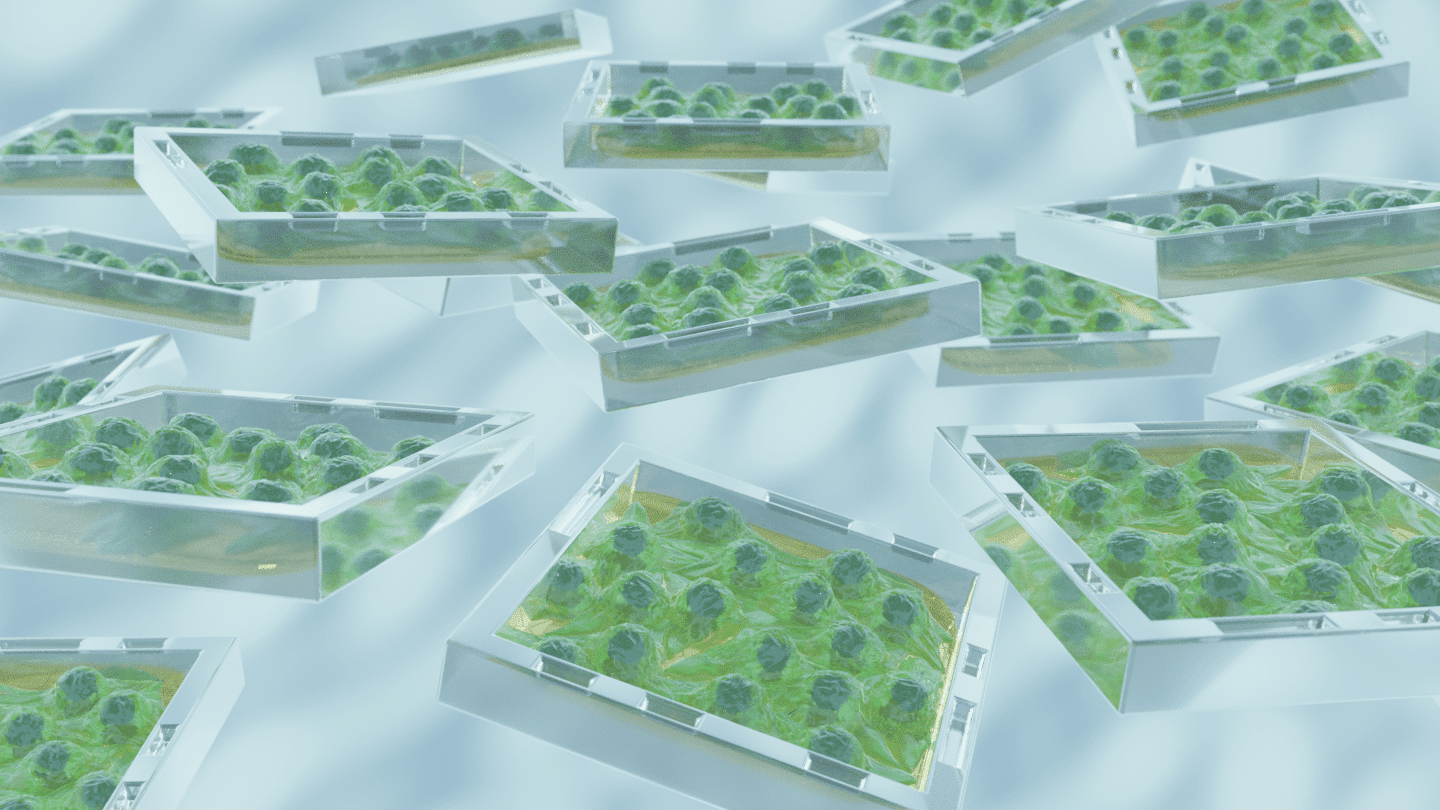
Pool by mixing and dispense into microplates: Combine vials of different barcodes and cell models, then dispense into 96 well or 384 well plates for compound or antibody screening, phenotypic profiling, or pathway readouts.
Decode barcodes and generate cell type resolved datasets: After imaging, software identifies each microcarrier, decodes its barcode from the brightfield channel, and tiles images by barcode to create cell type specific image sets for standard analysis.